
sqanit and Roland Berger on Medtech Service Growth

sqanit and Roland Berger combine service strategy with installed-base visibility. Roland Berger helps medtech manufacturers define the right service offers, pricing, sales approach and operating model; sqanit makes every installed device visible through a device-level record, so the strategy can be executed and measured in practice.

sqanit and Roland Berger on Medtech Service Growth

sqanit and Roland Berger work together to help medical technology manufacturers grow their service business from the installed base. Roland Berger works out the service strategy with the manufacturer, from the service portfolio to the operating model. sqanit gives every installed device its own record, so the manufacturer can see which units are where and act on the strategy device by device.

The partnership starts from a gap that Roland Berger measured. In their research across industrial companies, 84% of leaders call service strategically important, but only 62% have turned that into a formal strategy. The authors write that this "leaves service reactive and underpowered".

Why the installed base matters now

In August 2026, Sebastian Feldmann and Markus Fournell published Is your service business ready for structural volatility?. Their case is that industrial companies are dealing with lasting volatility rather than a normal downturn, and that service holds up better than most revenue when that happens.

"Installed base revenues follow technical lifecycles rather than investment sentiment. For many industrial companies, this makes service one of the most stable revenue streams [...]"

Sebastian Feldmann, Senior Partner, Roland Berger, in the Roland Berger publication Is your service business ready for structural volatility? (August 2026)

Medical technology fits this closely. An infusion pump, an analyser or an imaging system stays in a hospital or lab for many years, and service contracts, spare parts, consumables and upgrades keep earning for as long as it runs. The trouble is that many manufacturers cannot say with confidence which of their units are still in use, at which site, in what condition and under which contract. Distributors sit in between, records are spread across systems that do not talk to each other.

The same study puts a number on what that costs. Service organisations that still wait for the phone to ring carry administrative overhead roughly three times higher than proactive ones, and the proactive ones earn several times the EBIT contribution. Roland Berger's point is that this comes from operating model choices, not from the market.

What each side brings

Roland Berger works with boards and service leaders on the decisions that shape a service business. Sebastian Feldmann heads the firm's Competence Center Service and Solutions Excellence. The work covers the service portfolio, pricing and sales, how the field organisation is set up, and where digital tools pay back first.

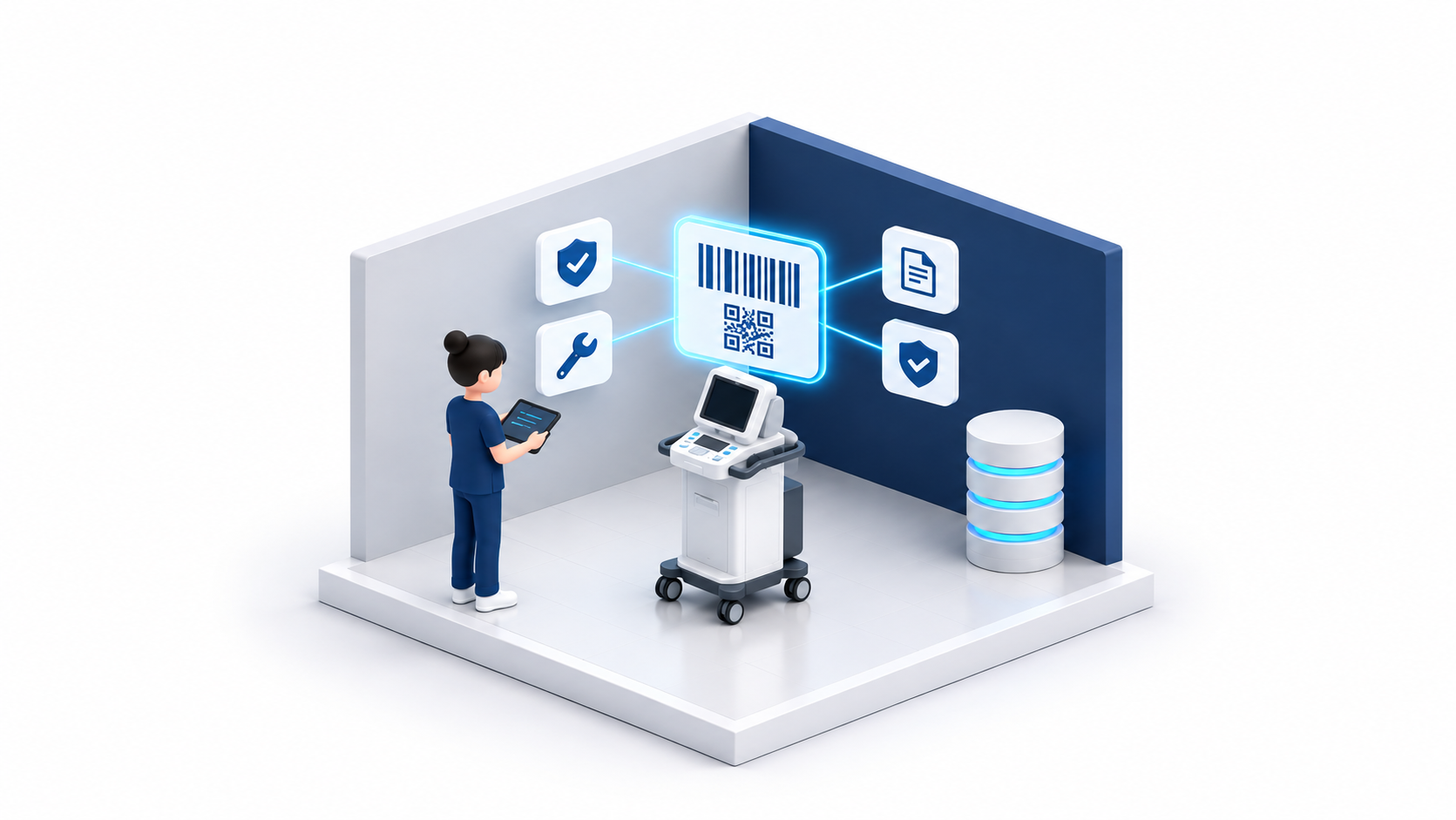
sqanit works at the level of the single device. A code on the device opens a web page for whoever is standing in front of it, with the documentation for that model, troubleshooting, and a way to report a problem. There is no app to install and no login. Each scan is linked to that unit's record, including the site it is registered to. Over time that adds up to a live view of the installed base, and we have described elsewhere how this compares with other after-sales platforms.

A strategy that says "move from reactive to proactive service" needs answers to practical questions. Which customers are running devices outside a contract? Which units are due for maintenance next quarter? Which faults keep coming back on one model? Once contract, maintenance and service data are linked to each unit, those answers sit in the device records. That is the part sqanit adds.

What a joint project looks like

A joint project starts with Roland Berger's assessment of the service business: where margin leaks, which customers are underserved and which offers are missing. sqanit then makes the installed base visible at the level where those findings turn into work.

  • The manufacturer sees which units are in the field, at which site, with which configuration and contract status.
  • Problem reports and part requests arrive with the device identity attached, so the service team does not have to work out which unit a report is about.
  • Contract gaps, upcoming maintenance and recurring faults become a list the service team can work through before customers call.

We joined VDMA healthcare for the same reason: in medical technology, service quality has a large say in whether customers stay. The Roland Berger partnership adds the strategy side to that.

Meet us at MEDICA

Roland Berger and sqanit will be at MEDICA in Düsseldorf from 16 to 19 November 2026. If you run a service organisation or a medical technology business and want to talk about your installed base, get in touch and we will find a time.

FAQs

Frequently asked questions.

01.

What does the partnership between sqanit and Roland Berger cover?

Roland Berger advises medical technology manufacturers on service strategy: offers, pricing, sales and the operating model. sqanit links every installed device to its own record, so the installed base becomes visible and the strategy can be carried out and measured device by device.

02.

Why does the installed base matter for service?

Revenue from the installed base follows the technical life of the equipment rather than investment cycles, which makes it one of the more stable revenue streams. To use it, a manufacturer needs to know which units are where, in what condition and under which contract.

03.

What does sqanit add to a service strategy?

A code on each device opens a web page with documentation, troubleshooting and problem reporting, with no app and no login. Each scan and each fault report is linked to the unit's record, which builds a live view of the installed base for planning service proactively.

04.

What does a joint project with sqanit and Roland Berger look like?

Roland Berger starts by assessing the service business: where margin is lost, which customers are underserved and which service offers are missing. sqanit then links device identity, location, configuration and service data to individual unit records, giving the manufacturer's teams the visibility to put those findings into practice.

05.

How can manufacturers move from reactive to proactive service?

Start by linking contract status, maintenance schedules and service history to each installed device. This lets service teams identify units outside a contract, plan upcoming maintenance and spot recurring faults before customers call. Roland Berger's research identifies proactive service as an operating-model choice, supported by how teams organise work, use digital tools and sell service.