In the high-stakes world of medical technology, a single device failure is never just a technical glitch; it is a critical disruption in patient care. For MedTech distributors and manufacturers, the pressure to provide immediate assistance is immense, yet traditional service processes often remain plagued by structural inefficiency.
By transitioning from fragmented, reactive support to a lean, data-driven operation, leading distributors using sqanit are now achieving a 50% reduction in processing effort per case.
The Hidden Cost of Fragmented MedTech Service Data
Many service teams currently operate in a landscape where vital data is scattered across disconnected systems. When a technician receives a service call, a time-consuming pre-diagnostic phase begins before any actual repair work can start:
- Manual Identification: Finding the exact device model and serial number from paper records.
- Contract Verification: Checking warranty or maintenance status across separate, siloed systems.
- Missing Histories: Searching for previous inspection records with no central platform for reference.
In a regulated environment, this lack of transparency is more than an operational delay; it is a structural risk to both compliance and long-term customer loyalty. This is exactly the bottleneck sqanit was designed to eliminate.
Why Standard CRM and Spreadsheets Fall Short
Before adopting a specialized platform like sqanit, many distributors attempt to manage service through spreadsheets or general CRMs. However, these tools often fail to connect device-level data with field personnel:
- CRMs typically capture account information but lack specific device service histories or compliance documentation.
- Spreadsheets are often updated inconsistently and remain invisible to technicians working on-site.
To solve this, the service operations and IT teams at a major US MedTech distributor sought a solution that could integrate via API into their existing landscape to deliver fast time to value. They found that sqanit provided the bridge between high-level data and ground-level action.
The Digital Service Twin: A Central Platform Approach
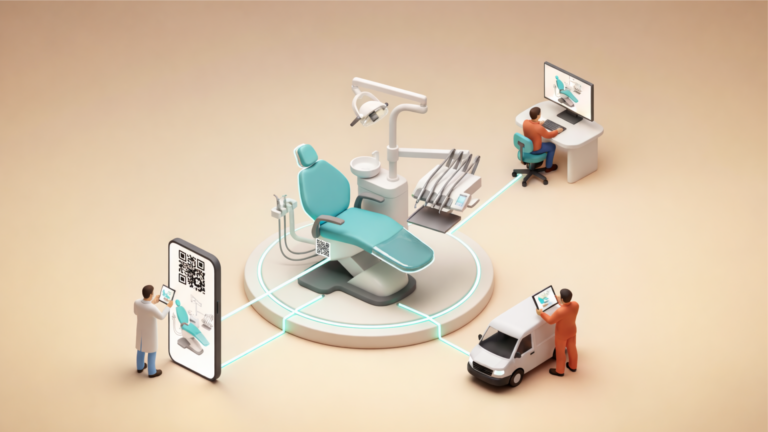
By partnering with sqanit, MedTech providers transform physical devices into digital entry points for the entire service lifecycle. This structured approach ensures:
- Instant Access: Unique QR codes allow stakeholders to view full device history on-site without system navigation.
- Smart Routing: The sqanit system connects the right technician to the right data instantly, eliminating manual searches.
- Automated Compliance: Documentation is updated automatically within the sqanit platform with every service event, ensuring audit-readiness.
- Streamlined Communication: Multi-stakeholder coordination between clinics, administrative staff, and engineers is centralized through the interface.
Measurable Results: Scaling Service Excellence
Moving to a structured ticketing and documentation system yields significant, measurable improvements. The following results were achieved by a major US distributor following the implementation of sqanit:
| Service Metric | Impact After sqanit Implementation |
| Processing Effort | 50% reduction per service case |
| Total Service Costs | 27% decrease |
| Customer Satisfaction (CSAT) | +5 to +10 point increase |
| Time to Value | Realized within weeks via API integration |
Conclusion: Turning the Installed Base into a Strategic Asset
The installed base of devices is often an underestimated lever for efficiency. By adopting an end-to-end process with sqanit that prioritizes self-service and data availability, MedTech companies can transform their service department from a cost center into a driver of reliability and trust.
Ready to build a compliance-ready MedTech operation?
Read full article here